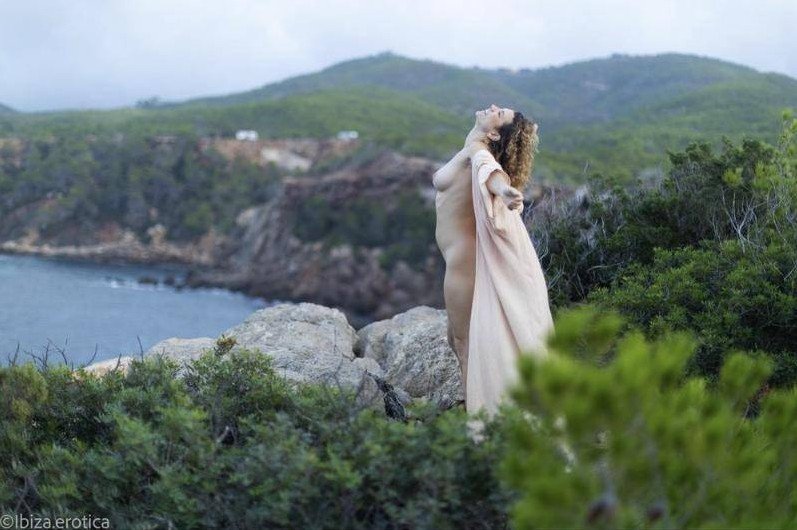
The Seduction of the City, the Seduction of Nature
Between the desire for more and the art of being present.
The city seduces us with what we lack: the success we have yet to achieve, the encounter that has yet to happen, the person we might one day become.
Nature seduces us with what is already here: the body, the breath, the senses, the present moment.
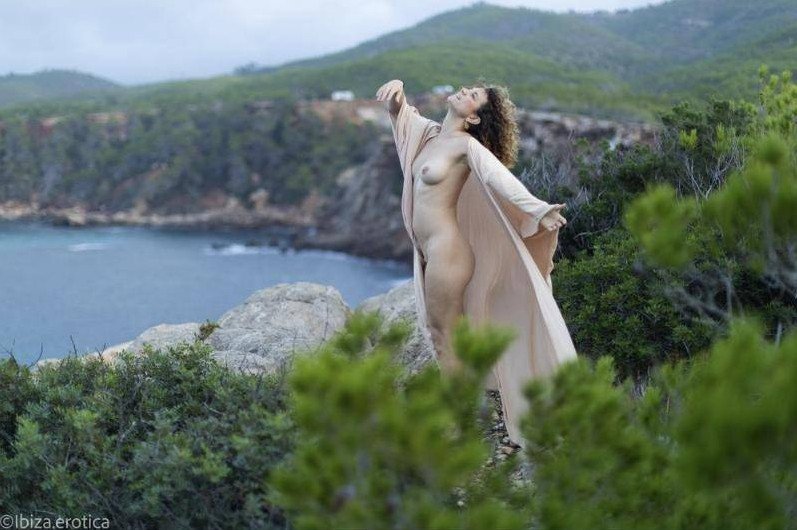
The Seduction of Possibility
Every year, millions of people leave their villages and rural landscapes, drawn by the promise of a different life.
Money. Success. Recognition. Opportunity.
In The Metropolis and Mental Life (1903), Georg Simmel explored how cities offer freedom, individuality, and endless stimulation, but also competition and constant comparison.
This is the city’s first seduction: the infinity of possibility.
Every corner might conceal an unexpected encounter. Every stranger is a story that has yet to begin.
And then there is anonymity.
Far from the watchful eyes of a small town, where everyone knows who you are, the city offers the freedom to reinvent yourself.
It is no coincidence that many queer and kink communities have flourished in urban spaces. Among the crowds, people have found room to express identities and desires they once had to hide.
Sometimes, the most seductive thing about a city is not who you might meet, but who you might finally allow yourself to become.
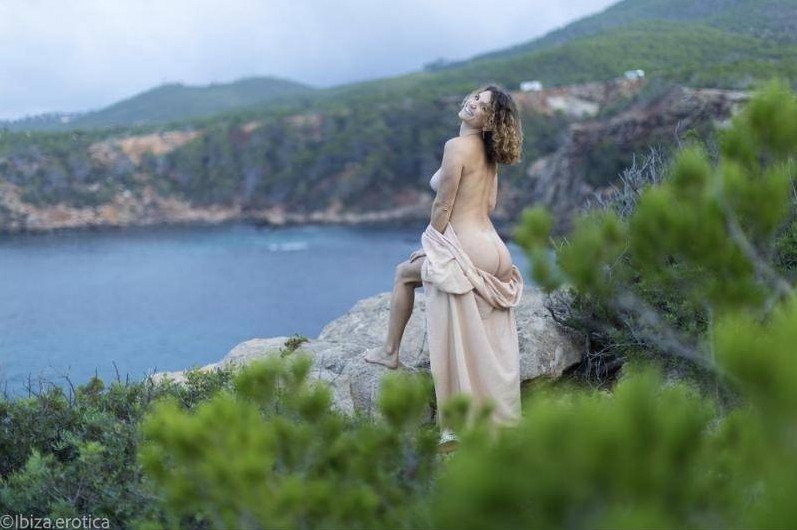
The Seduction of Nature
Something different happens when we leave the city behind.
The noise fades. The horizon opens. Our attention returns to the wind, the ocean, the warmth of sunlight on our skin.
In Walden (1854), Henry David Thoreau questioned how much we truly need to live a meaningful life.
Rachel Carson, in The Sense of Wonder, celebrated our ability to experience nature through curiosity, sensitivity, and awe.
And Annie Sprinkle and Beth Stephens, in Assuming the Ecosexual Position, invite us to see the Earth not as a mother to take from, but as a lover to enter into a relationship with.
A relationship of sensuality, intimacy, reciprocity, and care.
Not simply taking pleasure from nature, but experiencing pleasure with it.
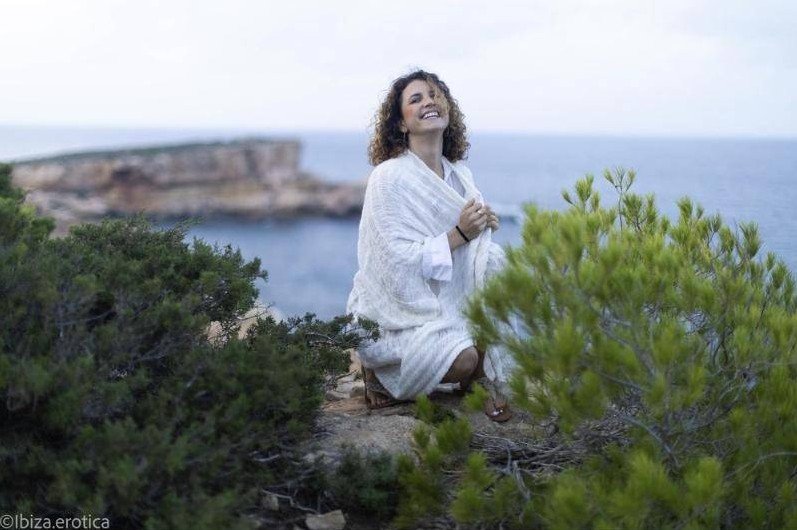
The Desire to Have, the Freedom to Be
Perhaps the deepest difference lies in how we experience time.
We often enter the city searching for something: money, success, recognition, pleasure, opportunity.
Always looking ahead. Always chasing the next achievement, the next encounter, the next experience.
And sometimes, what promises freedom becomes another form of captivity.
Nature invites us into a different dimension.
The warmth of sunlight on our skin. The sound of the ocean. The wind touching our bodies. The simple rhythm of breathing.
Nothing to achieve. Nothing to prove. Nowhere else to be.
The city seduces us with what we might have tomorrow. Nature seduces us with what we can feel today.
Perhaps true freedom is not about having more possibilities, but about being fully present in the one moment we actually have.
Because life is never experienced tomorrow. It is always happening now.
Philosophical & Literary References
- Georg Simmel — The Metropolis and Mental Life (1903). Urban life, individuality, and psychological stimulation.
- Henry David Thoreau — Walden (1854). Simplicity and deliberate living.
- Rachel Carson — The Sense of Wonder (1965). Nature, sensitivity, and the capacity for wonder.
- Annie Sprinkle & Beth Stephens — Assuming the Ecosexual Position: The Earth as Lover (2021). Ecosexuality, intimacy, reciprocity, and ecological care.
These reflections are inspired by the authors’ ideas rather than direct quotations.
